

12 Platforms to Help Solopreneurs Get More Done Without Burning Out
Running a business solo means wearing every hat and juggling countless tasks at once. The right tools can mean the difference between scrambling to keep up and actually growing your business with confidence. This list walks you through twelve platforms built to help solopreneurs work smarter, automate the repetitive stuff, and focus on what actually moves the needle. Whether you need help with client work, staying organized, or simply getting through your to-do list without losing your mind, these platforms have you covered.
- Legiit

Legiit connects solopreneurs with freelancers who specialize in marketing, design, content creation, and technical work. Instead of spending hours trying to master skills outside your wheelhouse, you can delegate specific tasks to experienced professionals at various price points. The platform makes it easy to browse services, compare providers, and get work done quickly without the overhead of hiring full-time staff. For solopreneurs who need to scale their output without scaling their stress, Legiit offers a practical way to extend your capabilities and free up time for strategic work.
- Typeform
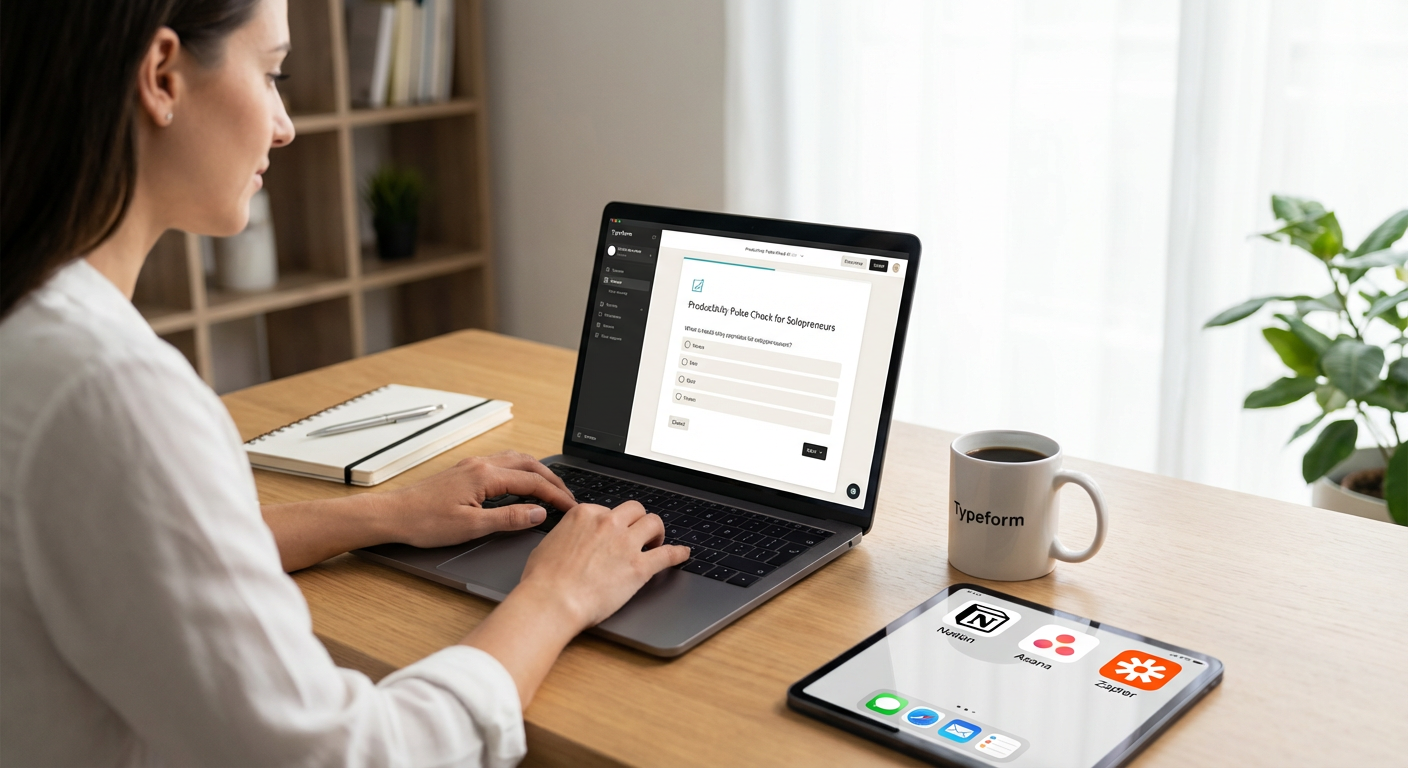
Collecting information from clients, leads, or customers can be a tedious back-and-forth process. Typeform turns forms and surveys into conversational experiences that people actually enjoy completing. The platform lets you build intake forms, feedback surveys, and lead qualification questionnaires that feel less like paperwork and more like a natural conversation. For solopreneurs who need to gather information efficiently while maintaining a professional impression, Typeform streamlines data collection and integrates smoothly with other tools in your workflow.
- Calendly
Scheduling meetings shouldn’t require a dozen emails back and forth. Calendly eliminates the scheduling dance by letting people book time directly on your calendar based on your actual availability. You set your preferences, share your link, and let clients or partners choose a time that works for both of you. The platform syncs with your existing calendar, sends automatic reminders, and even handles different time zones. For solopreneurs tired of playing scheduling coordinator, Calendly gives you those hours back.
- Loom
Sometimes explaining something over email takes forever, but a quick video can do it in seconds. Loom lets you record your screen and camera simultaneously, creating shareable videos perfect for client updates, tutorials, or feedback. Instead of typing out lengthy explanations or setting up unnecessary calls, you can simply record a two-minute Loom and send the link. The platform stores your videos in the cloud and makes sharing effortless. Solopreneurs use it to communicate more clearly while saving time on repetitive explanations.
- Notion
Managing projects, notes, databases, and documentation in separate tools creates chaos fast. Notion combines all these functions into one flexible workspace where you can build exactly what you need. Create task lists, maintain a content calendar, store client information, and write documentation all in one place. The learning curve exists, but once you set up your system, Notion becomes the single source of truth for your business. Solopreneurs appreciate having everything accessible without switching between five different apps.
- Zapier
Repetitive tasks drain your energy and steal time from meaningful work. Zapier automates workflows between your favorite apps without requiring any coding knowledge. When someone fills out a form, Zapier can add them to your email list, create a task, and send you a notification automatically. You can connect thousands of apps and build automation recipes that handle routine work while you sleep. For solopreneurs drowning in manual processes, Zapier is like hiring a digital assistant who never takes a day off.
- Canva
Professional visuals matter, but hiring a designer for every social post or presentation slide isn’t realistic. Canva provides templates and drag-and-drop tools that let non-designers create polished graphics quickly. From Instagram posts to presentation decks to simple logos, the platform covers most visual needs a solopreneur faces. The library of templates means you start with something that already looks good and customize it to fit your brand. Solopreneurs use Canva to maintain a professional appearance without the professional designer budget.
- Stripe
Getting paid shouldn’t be complicated or expensive. Stripe handles payment processing for solopreneurs selling products, services, or subscriptions online. The platform accepts credit cards, digital wallets, and various international payment methods with transparent pricing and reliable transfers. Integration with invoicing tools, websites, and accounting software makes financial management smoother. For solopreneurs who want to focus on delivering value instead of chasing payments, Stripe provides a professional payment infrastructure that just works.
- Grammarly
Every email, proposal, and piece of content you send represents your business. Grammarly catches grammar mistakes, awkward phrasing, and tone issues in real time across nearly every app you use. The tool works as a browser extension, desktop app, and mobile keyboard, ensuring your writing stays polished no matter where you’re typing. Beyond basic spelling checks, it offers suggestions to make your writing clearer and more professional. Solopreneurs rely on it as a second pair of eyes when there’s no editor on staff.
- Airtable
Spreadsheets work until your data gets complex, then they become a mess. Airtable combines the functionality of a database with the simplicity of a spreadsheet, letting you organize everything from client projects to content pipelines to product inventory. You can link records between tables, attach files, set up different views, and collaborate with contractors when needed. The flexibility means you can build exactly the system your business needs without forcing your process into someone else’s template. Solopreneurs who outgrow basic spreadsheets find their home here.
- Otter.ai
Taking notes during client calls means you’re only half present in the conversation. Otter.ai records and transcribes meetings in real time, letting you focus completely on the discussion. After the call, you have a searchable transcript you can review, share, or reference later. The platform identifies different speakers and even highlights key points automatically. For solopreneurs who attend frequent calls or interviews, Otter.ai ensures nothing important gets lost and eliminates the need to frantically scribble notes while trying to listen.
- Todoist
A cluttered mind leads to missed deadlines and forgotten tasks. Todoist gives you a simple, powerful system for capturing everything you need to do and organizing it by project, priority, and deadline. The platform works across all your devices, sends reminders, and lets you create recurring tasks for routine work. Unlike complex project management tools, Todoist stays lightweight and fast, making it easy to maintain your system without adding more work. Solopreneurs use it to get tasks out of their head and into a trusted system they can actually stick with.
The platforms on this list won’t run your business for you, but they will handle the grunt work that bogs you down. Each tool solves a specific problem solopreneurs face daily, from scheduling chaos to payment headaches to communication bottlenecks. Start with the areas causing you the most friction, try one or two platforms, and build from there. The goal isn’t to adopt every tool available but to find the right combination that lets you focus on the work only you can do. Your time is your most valuable asset, so spend it wisely.
Recent Comments