

11 Beginner-Friendly Methods to Build Resilience as a New Freelancer
Starting out as a freelancer can feel overwhelming. You face income uncertainty, client rejections, and the pressure of managing everything yourself. Building resilience is what separates freelancers who thrive from those who give up after a few rough months. The good news? You don’t need years of experience or complicated strategies to become more resilient. This guide focuses on simple, practical methods that any beginner can start using right away. Each tip is designed to help you bounce back from setbacks, stay motivated during slow periods, and build the mental toughness you need to succeed long term.
- Join a Freelance Marketplace Like Legiit to Build Your Foundation
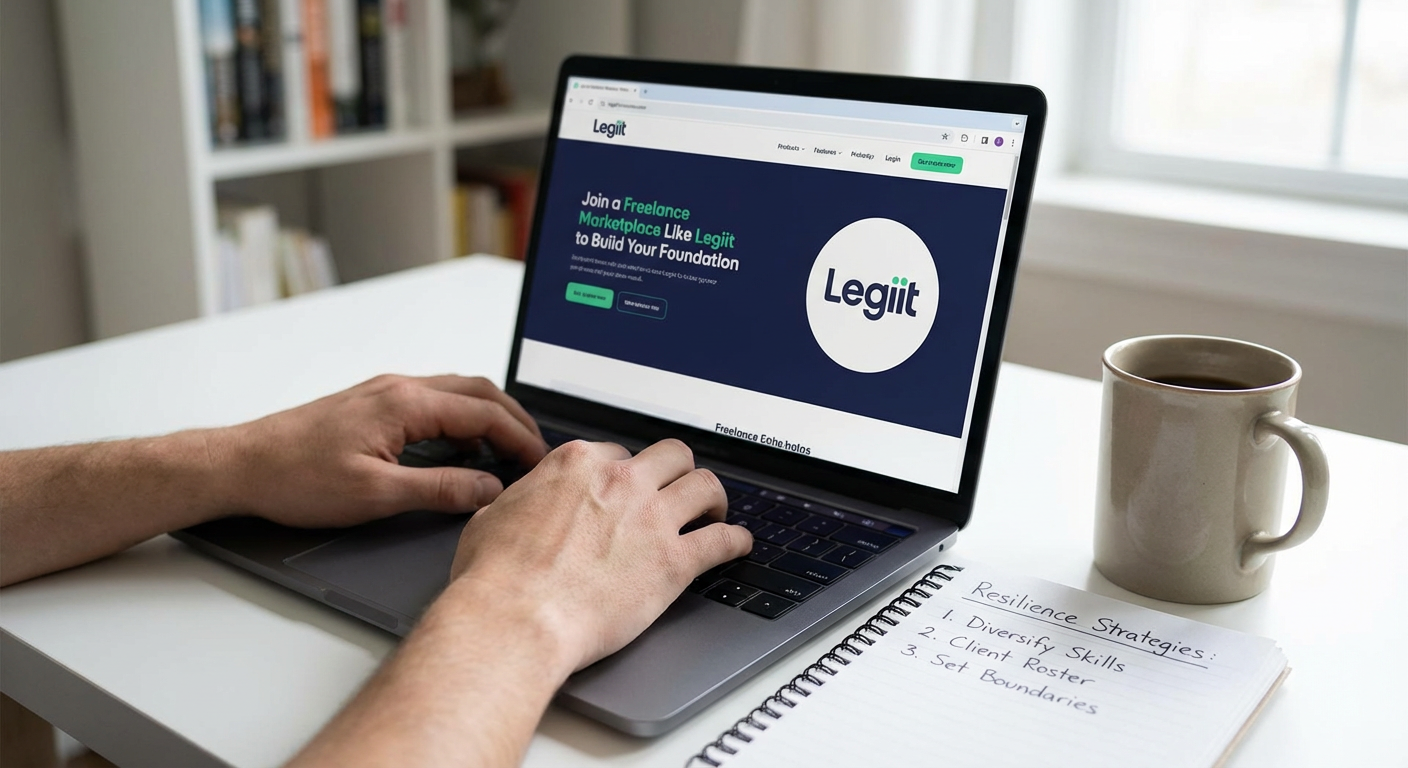
When you’re just starting out, one of the hardest parts of freelancing is finding clients and building credibility. Legiit is a freelance marketplace that makes this process much simpler for beginners. You can create a profile, list your services, and start connecting with buyers who are actively looking for the skills you offer. The platform handles payments and disputes, which removes a lot of the stress that comes with managing clients on your own.
What makes Legiit particularly helpful for building resilience is that it gives you a structured environment to practice your craft and get feedback. You’ll learn how to handle different client personalities, manage deadlines, and deal with revisions. These early experiences build the thick skin and problem-solving skills you need to handle bigger challenges later. Plus, having a steady stream of potential clients means you’re less likely to panic during slow periods, which is crucial for maintaining your confidence as a new freelancer.
- Start Each Day with a Simple Morning Routine

A consistent morning routine might sound basic, but it’s one of the most powerful tools for building resilience. When you work from home without a boss or set schedule, it’s easy to let your days become chaotic. Starting each morning the same way creates stability and puts you in control.
Your routine doesn’t need to be elaborate. It could be as simple as making coffee, reviewing your tasks for the day, and spending ten minutes reading or stretching. The key is consistency. When you follow the same pattern each morning, you train your brain to shift into work mode. This makes it easier to push through on days when you feel unmotivated or anxious. Over time, this small habit becomes an anchor that keeps you grounded even when everything else feels uncertain.
- Set Tiny, Achievable Goals Instead of Overwhelming Ones
Many new freelancers set huge goals that sound impressive but feel impossible to reach. When you constantly fall short of these targets, it chips away at your confidence. Instead, focus on setting small goals that you can actually accomplish.
For example, instead of saying “I’ll make $5,000 this month,” try “I’ll send five pitches this week” or “I’ll complete two client projects by Friday.” These smaller goals are within your control and give you regular wins. Each time you check off a goal, you build momentum and prove to yourself that you can follow through. This creates a positive cycle that strengthens your resilience. You start to see yourself as someone who gets things done, which makes it easier to bounce back when bigger challenges come your way.
- Create a Simple Financial Buffer, Even If It’s Small
Money stress is one of the biggest threats to freelancer resilience. When you’re worried about paying rent, every client rejection or late payment feels like a crisis. Building even a small financial buffer gives you breathing room.
You don’t need thousands of dollars saved up to feel more secure. Start by setting aside whatever you can, even if it’s just $20 or $50 per week. Put this money in a separate account and label it your “freelance emergency fund.” Knowing you have something set aside, no matter how small, reduces anxiety and helps you think more clearly when problems arise. You’ll make better decisions about which clients to work with and which projects to decline because you’re not operating from a place of desperation. This financial cushion, however modest, becomes a foundation for mental resilience.
- Connect with One or Two Other Freelancers for Support
Freelancing can feel lonely, especially when you’re working from home without coworkers. This isolation makes it harder to stay resilient because you have no one to talk to when things get tough. Finding just one or two other freelancers to connect with can make a huge difference.
You can find freelance friends through online communities, local meetups, or even by reaching out to people you admire on social media. The goal isn’t to build a huge network. You just want a couple of people who understand what you’re going through. When you have someone to share your frustrations with, rejections sting less. When you celebrate small wins together, they feel more meaningful. These relationships remind you that you’re not alone and that other people face the same struggles and survive them.
- Keep a Simple Win Journal to Track Your Progress
When you’re focused on what’s going wrong, it’s easy to forget how far you’ve come. A win journal is a simple tool that helps you remember your progress and builds resilience by showing you proof of your capabilities.
Get a notebook or open a document on your computer. At the end of each day or week, write down one to three things that went well. These don’t have to be big achievements. Maybe you sent a pitch, finished a project, got positive feedback from a client, or simply worked on a day when you didn’t feel like it. Over time, this journal becomes a record of your growth. When you’re having a bad day or dealing with a setback, you can read through your past wins and remind yourself that you’ve overcome challenges before. This simple practice rewires your brain to notice the good stuff, which makes you more resilient overall.
- Learn to Separate Rejection from Your Self-Worth
As a new freelancer, you’ll face plenty of rejection. Clients will choose someone else, projects will fall through, and proposals will go unanswered. If you take each rejection personally, you’ll burn out fast. Learning to separate these events from your value as a person is essential for resilience.
Start by reminding yourself that rejection is usually about fit, not about you. Maybe the client found someone cheaper, or they went with a freelancer they’d worked with before, or their budget changed. Most of the time, it has nothing to do with your skills or worth. Try thinking of each pitch or proposal as an experiment. Some experiments work, others don’t. Each one gives you data and helps you improve. When you view rejection this way, it loses its power to hurt you. You become someone who can handle hearing “no” without falling apart, which is one of the most important resilience skills you can develop.
- Build a Basic Self-Care Routine That Actually Works for You
Self-care gets talked about a lot, but many freelancers ignore it because they think it’s too complicated or time-consuming. The truth is, taking care of yourself doesn’t require expensive gym memberships or elaborate rituals. It just means doing a few basic things that help you function well.
Figure out what actually makes you feel better. For some people, it’s taking a walk outside. For others, it’s cooking a real meal instead of eating junk food, or making sure they get seven hours of sleep. Pick two or three simple self-care habits that fit your life and commit to doing them regularly. When you take care of your physical and mental health, you have more energy to handle stress. You recover faster from bad days. You make better decisions. This foundation of basic self-care is what allows resilience to grow.
- Practice Saying No to Projects That Don’t Serve You
When you’re new and desperate for work, it’s tempting to say yes to every opportunity. But taking on bad projects drains your energy, wastes your time, and actually makes you less resilient. Learning to say no is a skill that protects your mental health and helps you build a sustainable business.
Start by identifying your deal-breakers. Maybe it’s clients who are rude, projects that pay too little, or work that requires skills you don’t have. When an opportunity comes along that hits one of these deal-breakers, practice declining politely. You don’t need a long explanation. A simple “Thanks for thinking of me, but this isn’t a good fit right now” works fine. Each time you say no to the wrong project, you make room for better opportunities. You also build confidence in your own judgment, which makes you more resilient in the long run.
- Create a Simple Problem-Solving Process for When Things Go Wrong
Things will go wrong in your freelance business. Clients will be unhappy, deadlines will get missed, and technology will fail at the worst possible moment. Instead of panicking each time, having a simple problem-solving process helps you stay calm and resilient.
When a problem arises, follow these basic steps. First, take a few deep breaths to calm down. Second, write down exactly what the problem is in one or two sentences. Third, list two or three possible solutions, even if they’re not perfect. Fourth, pick the best option and take action. Finally, after the crisis passes, spend a few minutes thinking about what you learned and how you can prevent similar problems in the future. This simple framework takes the emotion out of problem-solving and helps you feel more in control. The more you use it, the more confident you become in your ability to handle whatever comes your way.
- Give Yourself Permission to Have Bad Days
Many new freelancers think they should be motivated and productive every single day. When they inevitably have an off day, they beat themselves up, which makes everything worse. True resilience includes accepting that some days will just be hard.
On days when you feel tired, unmotivated, or overwhelmed, give yourself permission to do less. Maybe you only work on easy tasks, or you take the afternoon off to rest, or you adjust your expectations for what you’ll accomplish. This doesn’t make you weak or lazy. It makes you human. When you stop fighting against bad days and instead acknowledge them with compassion, you recover faster. You also build a healthier relationship with your work. Resilience isn’t about never struggling. It’s about being kind to yourself when you do struggle, and trusting that you’ll bounce back.
Building resilience as a new freelancer doesn’t require complex strategies or years of experience. It comes from practicing simple habits that help you stay grounded, recover from setbacks, and keep moving forward. Start with one or two methods from this list and build from there. Remember that resilience is a skill you develop over time, not something you either have or don’t have. Each small step you take makes you stronger and more capable of handling whatever challenges come your way. Be patient with yourself, celebrate small wins, and trust that you’re building something solid.
Recent Comments