

11 Enterprise-Ready Graphic Design Packages That Deliver at Scale
Large organizations face a different set of challenges when it comes to design services. You need providers who can handle high volumes, meet strict security requirements, maintain brand consistency across departments, and deliver reliably on tight deadlines. The graphic design packages that succeed at the enterprise level offer more than just creative talent. They provide structured processes, legal protections, dedicated account management, and the ability to scale up or down based on your needs. This list focuses on solutions built for corporate buyers who need design support that won’t break down under pressure.
- Legiit: Flexible Freelance Solutions with Business-Grade Tools
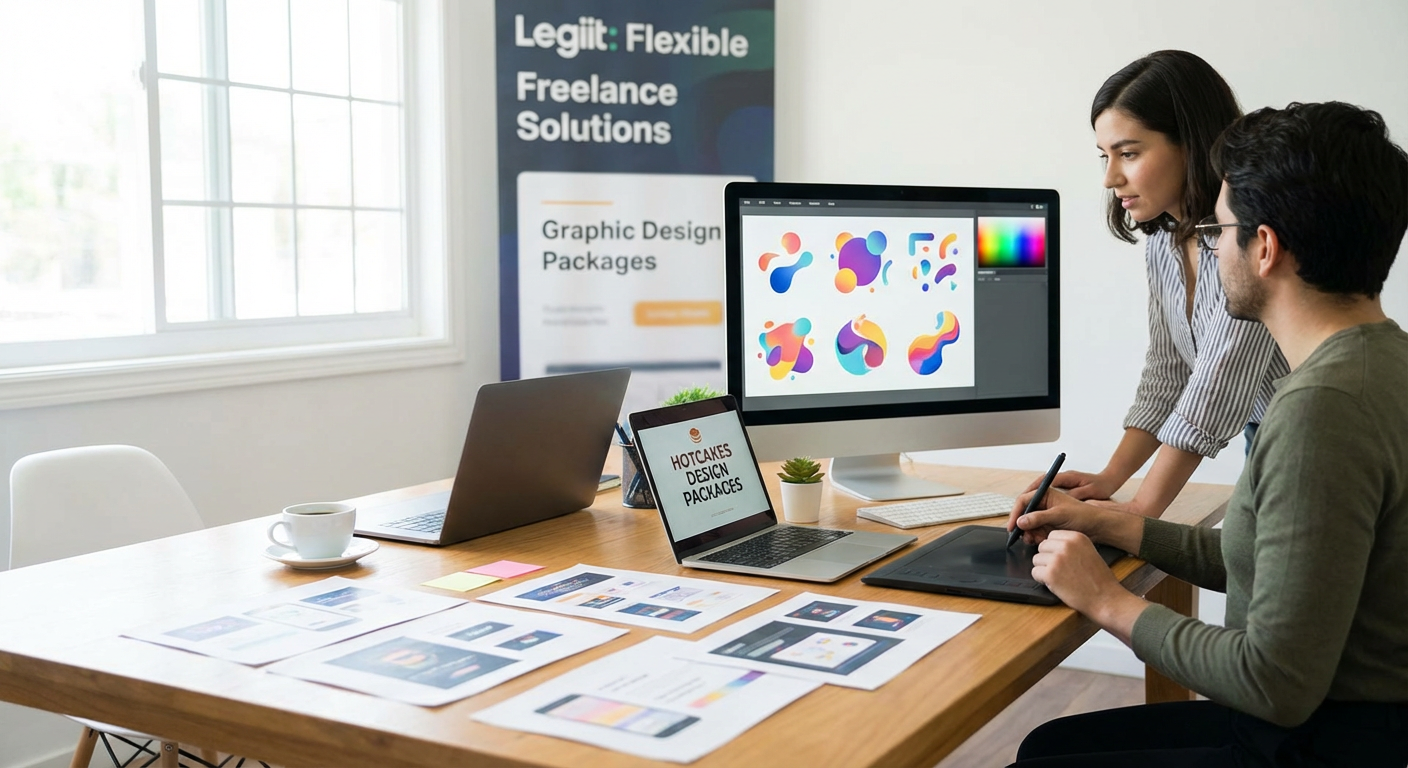
Legiit offers a marketplace model that works well for companies testing the waters with flexible design support. The platform connects you with verified freelancers who offer packaged services, making it easier to scope projects and control costs upfront. What makes Legiit suitable for larger teams is the ability to review detailed seller profiles, check verified reviews, and communicate project requirements before committing.
For enterprises that need occasional design work without the overhead of an agency retainer, this approach provides flexibility. You can engage different specialists for different projects, from social media graphics to presentation decks, while keeping everything under one account. The platform handles payments and provides basic project management tools, which simplifies vendor management for procurement teams.
- White-Label Agency Partners with Dedicated Account Teams

White-label design agencies specialize in becoming an extension of your in-house team. These partners work under your brand name, allowing you to present all deliverables as if they were created internally. This model works particularly well for marketing departments that face unpredictable workloads or seasonal spikes.
The best white-label partners assign dedicated account managers who learn your brand guidelines, tone, and approval processes. They often provide tiered service packages based on monthly volume, with clear turnaround times and revision policies. Security protocols typically include NDAs, secure file transfer systems, and the option for on-premise meetings. For compliance-heavy industries, many white-label agencies can provide documentation of their data handling practices and maintain certifications like SOC 2 or ISO standards.
- Design Systems Consulting Packages
Some specialized firms focus on building comprehensive design systems rather than executing individual projects. These packages typically include a discovery phase, component library creation, documentation, and training for your internal teams. The investment is substantial upfront but pays off for organizations with multiple products or a large marketing footprint.
A proper design system package includes governance frameworks, version control processes, and integration with your existing tools. The best providers will audit your current assets, identify inconsistencies, and create a unified visual language that scales across web, mobile, print, and video. They also train your team on how to maintain and extend the system over time, reducing long-term dependency on external vendors.
- Subscription-Based Design Services with SLA Guarantees
Several companies now offer design services on a subscription model with service level agreements that guarantee response times and revision cycles. These packages typically work on a request queue system where you submit briefs through a portal and receive completed work within agreed timeframes.
What makes these services enterprise-ready is the predictability. You pay a flat monthly fee for a certain number of requests or hours, and you know exactly when to expect deliverables. Many providers offer different tiers based on complexity and volume, with options to pause subscriptions during slow periods. The best services provide detailed reporting on request volumes, completion rates, and team utilization, which helps with budget planning and resource allocation.
- Enterprise Software Vendors with Bundled Creative Services
Major marketing automation and CRM platforms increasingly offer bundled creative services as part of their enterprise packages. These services are designed to integrate directly with your software stack, creating assets that are already optimized for the platforms you use.
The advantage here is tight integration and reduced friction. When your design vendor has direct access to your marketing automation system, they can create email templates, landing pages, and ad creative that are technically compliant and ready to deploy. They understand the specifications and limitations of the platform because they work with it daily. While these services may cost more than standalone design providers, the time savings and reduced technical issues can justify the premium for organizations heavily invested in a particular software ecosystem.
- Global Design Networks with Multi-Language Capabilities
Companies operating in multiple markets need design partners who understand localization beyond simple translation. Specialized design networks maintain teams across different regions who can adapt creative work for local cultural contexts, reading directions, and regulatory requirements.
These packages typically include consultation on cultural appropriateness, adaptation of layouts for different text lengths, and sourcing of region-specific imagery and typography. The best providers maintain style guides for each market while ensuring global brand consistency. They also navigate different approval chains and local stakeholder requirements. For organizations with significant international operations, having a single vendor who can handle worldwide rollouts reduces coordination overhead significantly.
- Compliance-First Design Agencies for Regulated Industries
Healthcare, financial services, and pharmaceutical companies need design partners who understand regulatory constraints from the start. Specialized agencies in these sectors offer packages that include legal review, compliance documentation, and audit trails for all creative decisions.
These services cost more than general design work, but they reduce risk. The agencies maintain relationships with regulatory consultants and understand what documentation needs to accompany creative assets. They build approval workflows that capture sign-offs at each stage and maintain archives that meet retention requirements. For organizations where a single compliance violation can result in significant fines, paying for specialized expertise makes financial sense.
- Brand Refresh and Rebranding Packages from Established Firms
Major brand consultancies offer comprehensive packages for companies undergoing mergers, repositioning, or significant corporate changes. These engagements typically span several months and include strategy work, stakeholder interviews, competitive analysis, visual identity development, and implementation planning.
What distinguishes enterprise-level rebranding packages is the depth of the process and the range of deliverables. You receive not just a new logo, but a complete brand architecture, messaging framework, application guidelines, and often a phased rollout plan. These firms assign cross-functional teams including strategists, designers, writers, and project managers. They also provide change management support to help your organization adopt the new brand internally before external launch.
- Video and Motion Graphics Studios with Production Capacity
As video becomes central to corporate communications, specialized motion design studios offer packages that combine creative direction with production capacity. These packages typically include concept development, scripting, storyboarding, animation, sound design, and final delivery in multiple formats.
Enterprise-ready studios can handle high volumes and tight deadlines because they maintain full production teams rather than relying on freelancers. They offer rush services with clear premium pricing, provide detailed project timelines with milestone reviews, and can scale teams up for large campaigns. Many also offer template-based solutions for recurring needs like earnings presentations or product launch videos, which reduces costs for standardized content while maintaining quality.
- Print and Packaging Specialists with Supply Chain Integration
For companies with significant print or packaging needs, working with design firms that integrate with manufacturing partners streamlines the entire process. These packages include design services, print production management, quality control, and sometimes warehousing and distribution.
The value for large organizations is having a single point of contact for the entire supply chain. The design team understands the capabilities and limitations of the production facilities, so designs are always technically feasible. They manage color matching, material selection, and production scheduling. They also handle revisions and reprints without requiring your team to coordinate between multiple vendors. For organizations producing marketing collateral, product packaging, or point-of-sale materials at scale, this integration reduces errors and accelerates time to market.
- Accessibility and Inclusive Design Consulting Packages
Accessibility is increasingly both a legal requirement and a brand imperative. Specialized consultancies offer packages that audit existing design assets, provide training on inclusive design principles, and establish processes for maintaining accessibility standards.
These services go beyond basic WCAG compliance checklists. They include user testing with people who have disabilities, consultation on color contrast and typography for readability, and guidance on creating alternative formats for visual content. The best providers help you build accessibility into your design process from the beginning rather than retrofitting it later. They also provide ongoing monitoring services and can represent your interests in accessibility litigation if needed. For large organizations with significant digital footprints, proactive investment in accessible design reduces legal risk and expands audience reach.
Selecting design services for a large organization requires evaluating factors that small businesses rarely consider. Security protocols, scalability, compliance capabilities, and integration with existing systems matter as much as creative talent. The packages that succeed at the enterprise level understand that reliability, documentation, and structured processes are not optional extras but core requirements. Start by identifying your most critical needs, whether that’s volume capacity, regulatory compliance, or global coordination, and then evaluate providers based on their ability to meet those specific demands. The right partner will feel less like a vendor and more like a strategic asset that helps your organization move faster and compete more effectively.
Recent Comments