
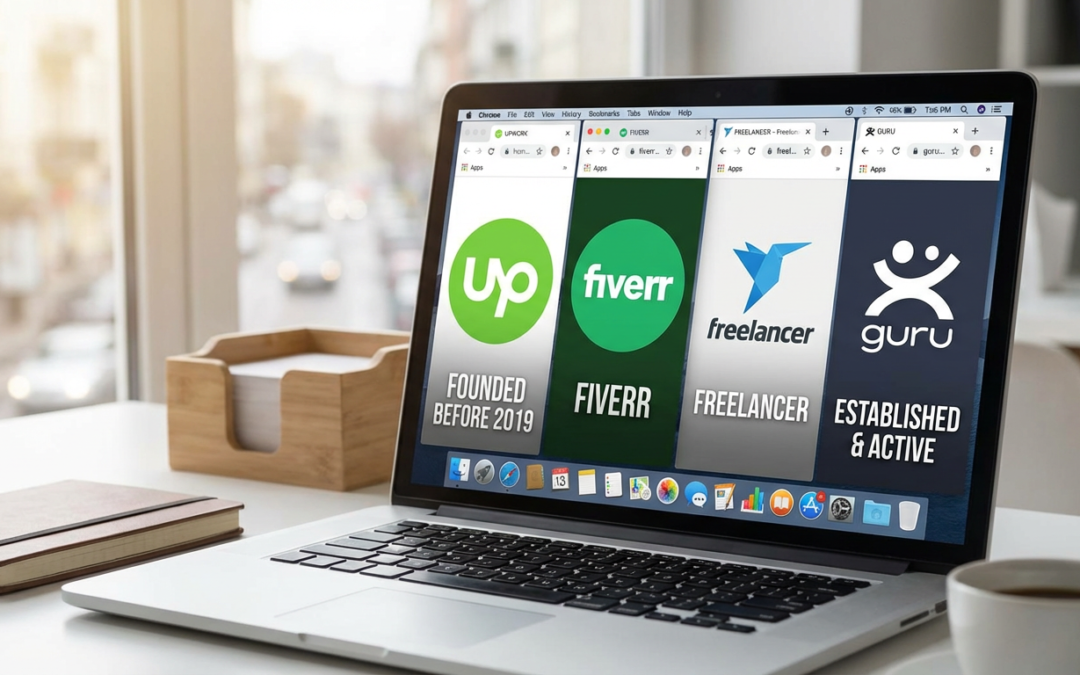
Practical Guide to Using 11 Established Freelance Sites Founded Before 2019
If you’re ready to start finding work or hiring talent on proven freelance platforms, you need more than just a list of names. You need to know how to actually use these sites effectively. The platforms on this list have been around long enough to build solid reputations, smooth out their quirks, and develop active user bases. More importantly, they each have specific strengths that matter when you’re trying to land your first client or find the right person for a project. This guide gives you actionable tips for getting results on eleven established freelance sites that have stood the test of time.
- Legiit: Start with Service Packages to Get Quick Wins

Legiit operates on a service package model, which means you can list specific deliverables at set prices instead of bidding on projects. This structure works well for freelancers who want to avoid the race to the bottom on hourly rates. When you set up your profile, create three to five service packages that solve clear problems, like writing blog posts, building backlinks, or designing logos. Price them competitively but not desperately low. Buyers on Legiit appreciate clarity, so spell out exactly what they get, how long it takes, and what you need from them to start. If you’re hiring, you can browse services by category and see exactly what you’ll pay before you commit, which saves time compared to negotiating every detail from scratch.
- Upwork: Master Your Profile Before You Bid

Upwork has millions of active users, which means your profile is your first and often only chance to stand out. Spend an hour writing a clear headline that states what you do and who you help. Use your overview section to explain the results you deliver, not just your skills. Add a professional photo, fill in your work history completely, and take at least two relevant skill tests to earn badges. When you start bidding, customize every proposal to address the client’s specific problem. Generic copy-paste proposals get ignored. Read the job post carefully, mention a detail from it in your first sentence, and explain how you’ll solve their issue. Track which proposals get responses and refine your approach based on what works.
- Fiverr: Optimize Your Gig Titles and Thumbnails for Search
Fiverr works like a search engine, so your gig title and thumbnail image are critical. Research what successful sellers in your category are doing, then create a title that includes the exact words buyers search for. If you’re a voiceover artist, use terms like ‘professional voiceover’ or ‘commercial voice acting’ instead of vague descriptions. Design a clean thumbnail that shows your face or a sample of your work. Fiverr’s algorithm favors gigs that get clicks and orders, so test different images and titles every few weeks to see what improves your visibility. Respond to messages within an hour whenever possible, because response time directly affects your ranking. Deliver orders on time or early to build momentum with the platform’s internal scoring system.
- Freelancer: Use Contests to Build Your Portfolio Fast
Freelancer offers a contest feature where clients post a project and multiple freelancers submit entries, with the winner getting paid. This format works well if you’re new and need portfolio pieces. Look for contests in your skill area with reasonable prize amounts and clear briefs. Submit high-quality work that directly answers the brief, and don’t waste time on contests with vague instructions or low budgets. Even if you don’t win, you’ll have a finished sample you can show future clients. Once you have a few portfolio pieces, switch to bidding on regular projects where you’re more likely to get paid for your effort. Keep your bids concise and focused on how you’ll complete the work, not on how much you need the job.
- Toptal: Prepare Thoroughly for the Screening Process
Toptal accepts only a small percentage of applicants, so treat the application like a job interview at a top company. Before you apply, make sure your skills are genuinely advanced, not intermediate. The screening includes a language and personality test, a technical skills review, and a test project. Brush up on the fundamentals of your field, practice explaining your problem-solving process out loud, and set aside several hours to complete the test project without rushing. If you pass, you’ll get access to high-paying clients who expect top-tier work. The vetting process is intense, but it means less competition once you’re in and clients who respect your expertise enough to pay well for it.
- Guru: Use the WorkRoom Feature to Keep Projects Organized
Guru includes a WorkRoom for each project, which centralizes all communication, files, invoices, and payments in one place. When you start a project, suggest to your client that you use the WorkRoom instead of email. Upload drafts there, request feedback through the system, and submit invoices directly. This keeps everything documented, which protects both you and the client if any disputes come up. Set up SafePay for larger projects so the client funds the work upfront and you know you’ll get paid when you deliver. Guru’s interface feels dated compared to newer platforms, but the WorkRoom structure actually makes project management simpler once you get used to it.
- PeoplePerHour: Focus on Hourlies for Fast Turnaround Work
PeoplePerHour lets you create Hourlies, which are fixed-price services you can deliver quickly, similar to gigs on other platforms. Create Hourlies for tasks you can complete in a few hours, like proofreading a document, setting up a WordPress plugin, or designing a social media graphic. Price them low enough to attract first-time buyers but high enough to make the work worthwhile. After you complete a few Hourlies successfully, clients often come back for bigger projects at higher rates. Use the proposal system for larger jobs, but lead with your Hourlies to build credibility fast. Check your profile daily and respond to inquiries quickly, because the platform rewards active sellers with better placement in search results.
- 99designs: Write Detailed Creative Briefs When Hiring
If you’re hiring a designer on 99designs, the quality of your creative brief determines the quality of submissions you’ll receive. Spend time explaining your brand personality, your target audience, and the specific feeling you want the design to create. Include examples of designs you like and dislike, and explain why. Specify technical requirements like dimensions, file formats, and color modes upfront. Designers appreciate clear direction, and you’ll get more usable concepts if you communicate your vision well. If you’re a designer entering contests, read the brief twice and ask clarifying questions before you start. Submit concepts that directly reflect what the client asked for, not just what you think looks cool.
- DesignCrowd: Provide Feedback Early and Often in Contests
DesignCrowd works on a contest model where multiple designers submit ideas and you pick a winner. To get the best results, log in during the contest period and rate submissions as they come in. Leave specific feedback on what you like and what needs to change. Designers will revise their work based on your comments, so the more direction you give, the closer the final designs will match your vision. If you’re a designer, pay attention to the client’s feedback on other entries. Adjust your submissions to incorporate what they’re asking for, and submit multiple variations to increase your chances of winning. Don’t just submit once and wait. Active participation from both sides produces better outcomes.
- SimplyHired: Set Up Job Alerts and Apply Within 24 Hours
SimplyHired aggregates freelance and contract positions from across the web, which means you get access to a wide range of opportunities in one place. Create an account and set up email alerts for your specific skills and preferred work arrangements. When a new listing matches your criteria, apply within the first day if possible. Hiring managers often review applications as they come in and stop reading once they find strong candidates. Tailor your application to each job by pulling keywords from the listing and incorporating them into your cover letter. Save several versions of your resume that emphasize different skills, so you can quickly send the most relevant one for each opportunity. Check the original source of the listing to make sure it’s still active before you spend time applying.
- Envato Studio: Show Process Shots in Your Portfolio
Envato Studio attracts clients looking for creative services like design, video, and audio work. When you set up your profile, don’t just show finished work. Include process shots that demonstrate how you approach a project. Show sketches, wireframes, or different versions you considered before landing on the final product. This helps clients understand your thinking and builds confidence that you’ll handle their project thoughtfully. Write clear service descriptions that specify what’s included, what’s not, and how many revisions you offer. Envato Studio clients tend to be more hands-on than on some other platforms, so set expectations upfront about communication and timelines. Price your services to reflect your experience level honestly, and use your first few projects to gather strong reviews that will help you raise rates later.
These eleven platforms have proven themselves over time, but your success on any of them depends on how well you use their specific features and understand their cultures. Pick two or three that match your skills and work style, then invest real effort into setting up strong profiles and learning how each platform’s system works. Track what gets results, whether that’s certain types of proposals, specific portfolio pieces, or particular price points. Adjust your approach based on what you learn, and remember that building a reputation on any platform takes consistent effort over weeks and months, not days. Start with one platform, get a few wins under your belt, then expand to others as your schedule allows.
Recent Comments