

12 Future-Ready Zero-Click SEO Tactics for Lasting Brand Visibility Without the Click
Search is changing fast. More people find answers directly on the results page without ever visiting a website. This shift might sound like bad news, but smart marketers know that zero-click results offer a huge opportunity for brand exposure. If you want your business to stay visible as search continues to shift, you need tactics that work now and will keep working as algorithms and user behavior change. This list focuses on forward-thinking strategies that build lasting visibility, not just quick wins. Whether you run a small business or manage marketing for a larger brand, these tactics will help you stay visible in search results for the long haul.
- Build Your Expert Network with Legiit

As search gets more competitive and content requirements grow more complex, having reliable access to skilled professionals becomes critical. Legiit connects you with vetted freelancers who specialize in SEO, content creation, schema markup, video production, and other services that support long-term visibility. Instead of scrambling to learn every new tactic yourself or hiring full-time staff, you can tap into a marketplace designed for ongoing digital marketing needs. This approach scales with your business and adapts as new opportunities emerge. Building a strong network of specialists now means you can quickly respond to changes in how search engines display information without missing a beat.
- Master Structured Data Across Multiple Formats
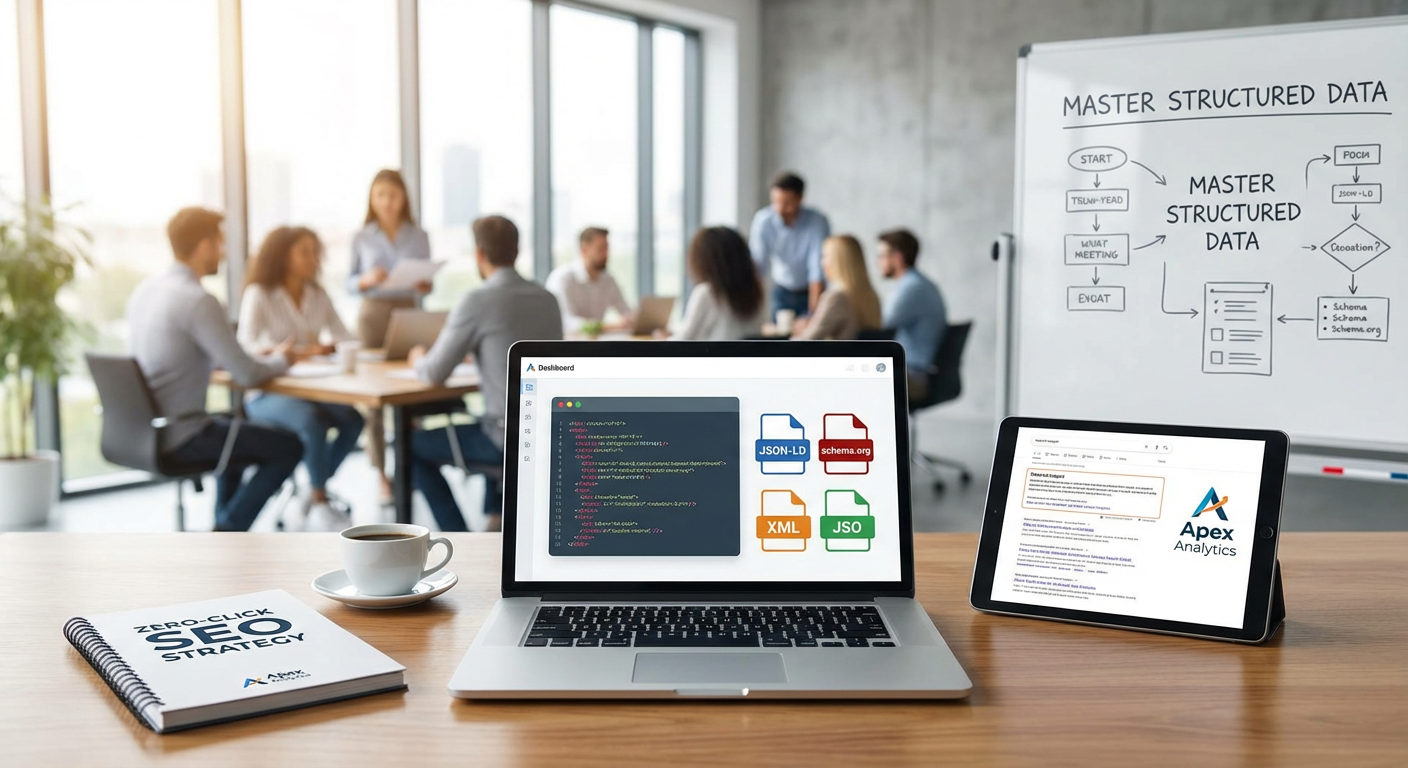
Schema markup is not new, but its importance keeps growing as search engines rely more heavily on structured data to populate rich results. The key to staying relevant is implementing schema not just for basic information like reviews or FAQs, but for newer types like how-to steps, video objects, recipe instructions, and event details.
As voice search and AI-powered answers expand, machines need clean, structured information to pull from. Websites that consistently provide this data in the right format will continue to appear in featured snippets, knowledge panels, and other prominent placements. Make structured data a standard part of your content publishing process, not an occasional afterthought.
- Create Snippet-Optimized Content Libraries
Featured snippets dominate certain search queries, and their prominence is unlikely to fade. Rather than chasing individual snippets one at a time, build entire content libraries designed to answer specific question clusters in your industry. Organize your content with clear headings, concise definitions, numbered lists, and comparison tables.
This library approach means you are not dependent on a single piece of content performing well. You create a web of interconnected answers that collectively increase your chances of appearing in position zero. As Google refines how it selects snippets, having multiple well-structured candidates gives you staying power.
- Invest in Original Visual Assets
Image search and visual results continue to grow as a discovery channel. Stock photos and generic graphics do little for brand recognition, but original charts, infographics, diagrams, and branded visuals help people associate information with your company even when they do not click through.
As visual search technology improves, search engines will get better at identifying and crediting original images. Watermark your graphics subtly with your brand name or logo. Use descriptive file names and alt text that clearly identify both the content and your brand. These small steps compound over time and help your visuals become recognizable on their own.
- Build Authority in People Also Ask Boxes
The People Also Ask feature appears in a huge percentage of search results and continues to expand. These boxes give you multiple chances to appear on the same page, and they often lead users down a chain of related questions where your brand can show up repeatedly.
To claim this space, research the question variations that appear for your target topics and create dedicated answers for each. Keep answers between 40 and 60 words for the best chance of being pulled into the PAA box. As voice assistants and AI chatbots pull more information from these sources, your presence here becomes even more valuable.
- Develop Long-Term Google Business Profile Strategies
For local businesses and service providers, your Google Business Profile is often the first and only thing potential customers see. Keeping your profile active with regular posts, updated photos, and prompt responses to reviews signals that your business is current and engaged.
Beyond the basics, use the Q&A section to preemptively answer common questions, add detailed service descriptions with relevant keywords, and upload before-and-after photos or project examples. As local search becomes more sophisticated, profiles with rich, regularly updated information will continue to rank prominently in map packs and local results. This is not a set-it-and-forget-it task but an ongoing asset that rewards consistent attention.
- Optimize for Voice and Conversational Queries
Voice search queries are longer and more conversational than typed searches. People ask complete questions instead of entering keyword fragments. Optimizing for this means writing content that matches natural speech patterns and directly answers specific questions.
Create FAQ pages that mirror how people actually talk. Use question-based headings and provide clear, direct answers immediately below. As smart speakers and voice assistants become more common, the way people search will continue shifting toward natural language. Content that feels conversational and addresses real questions will remain relevant regardless of which platform or assistant is delivering the answer.
- Claim and Optimize Knowledge Panel Information
If your brand, product, or key team members are eligible for a knowledge panel, claiming and optimizing that information gives you control over a highly visible piece of search real estate. Knowledge panels appear for brands, public figures, organizations, and even specific products or services.
Verify your information through official channels like Google Search Console or Wikidata. Make sure descriptions are accurate, links point to current properties, and images are high quality. As search engines continue to prioritize authoritative, entity-based information, having a well-maintained knowledge panel becomes a long-term visibility asset that builds credibility and recognition without requiring a click.
- Build Video Content for SERP Embeds
Video results appear directly in search results for many queries, especially how-to and tutorial searches. Creating short, focused videos that answer specific questions increases your chances of appearing in these embedded results.
Host videos on YouTube with detailed titles, descriptions, and timestamps that clearly outline what each section covers. Add closed captions and transcripts to make the content accessible and easier for search engines to understand. As video becomes a preferred format for consuming information, having a library of well-optimized videos positions your brand to appear in multiple formats across search results. This is not about going viral but about creating helpful, findable content that serves user intent.
- Develop Industry-Specific Glossaries and Definitions
Definitional content performs exceptionally well in zero-click results. When people search for terms, concepts, or industry jargon, search engines often pull concise definitions directly into the results page. Creating a comprehensive glossary for your industry gives you numerous opportunities to appear in these quick-answer boxes.
Write definitions that are clear, accurate, and between 40 and 60 words. Format them consistently with the term in a heading followed immediately by the definition. Over time, as your glossary grows and gains authority, it becomes a reference resource that search engines return to repeatedly. This builds long-term visibility and positions your brand as an information source in your field.
- Monitor and Adapt to SERP Feature Changes
Search result features change regularly. New formats appear, existing ones get refined, and some fade away. Staying visible over the long term means paying attention to these shifts and adjusting your tactics accordingly.
Use tools that track which SERP features appear for your target keywords and monitor how often your content appears in them. When you notice a new feature gaining prominence, research what content format it favors and adapt. This proactive approach keeps you ahead of competitors who only react after they have lost visibility. Building flexibility into your content strategy now means you can pivot quickly as search continues to change.
- Create Comparison and Versus Content
Comparison queries trigger specific SERP features including tables, snippets, and detailed breakdowns. People searching for product comparisons, service differences, or option evaluations often find what they need without clicking. Your goal is to be the source of that information.
Build detailed comparison pages that present information in easy-to-scan formats. Use tables, bullet points, and clear headings that highlight key differences. Include both qualitative descriptions and quantitative data when relevant. As commerce and decision-making increasingly happen directly in search results, having well-structured comparison content keeps your brand visible during critical research moments.
- Establish Topical Authority Through Content Clustering
Search engines increasingly favor websites that demonstrate deep knowledge in specific topic areas rather than surface-level coverage of many topics. Building content clusters around core themes signals expertise and increases your chances of appearing in multiple related zero-click results.
Start with a comprehensive pillar page on a broad topic, then create supporting content that addresses specific subtopics in detail. Link these pieces together logically. This structure helps search engines understand your expertise and makes it easier for your content to appear in various featured snippets, knowledge cards, and answer boxes related to that topic. As algorithms get better at understanding topical relationships, this approach becomes more effective, not less.
Zero-click search is not a passing trend but a fundamental shift in how people find and consume information. The tactics in this list are designed to keep working as search technology advances and user behavior continues to change. Focus on providing clear, structured, valuable information in formats that search engines can easily understand and display. Build assets like video libraries, glossaries, and content clusters that grow more valuable over time rather than chasing quick wins that fade. The brands that stay visible in the coming years will be the ones that adapt their strategies now and build foundations that last. Start with one or two tactics that fit your business, implement them well, and expand from there. Consistency and quality matter more than doing everything at once.
Recent Comments