
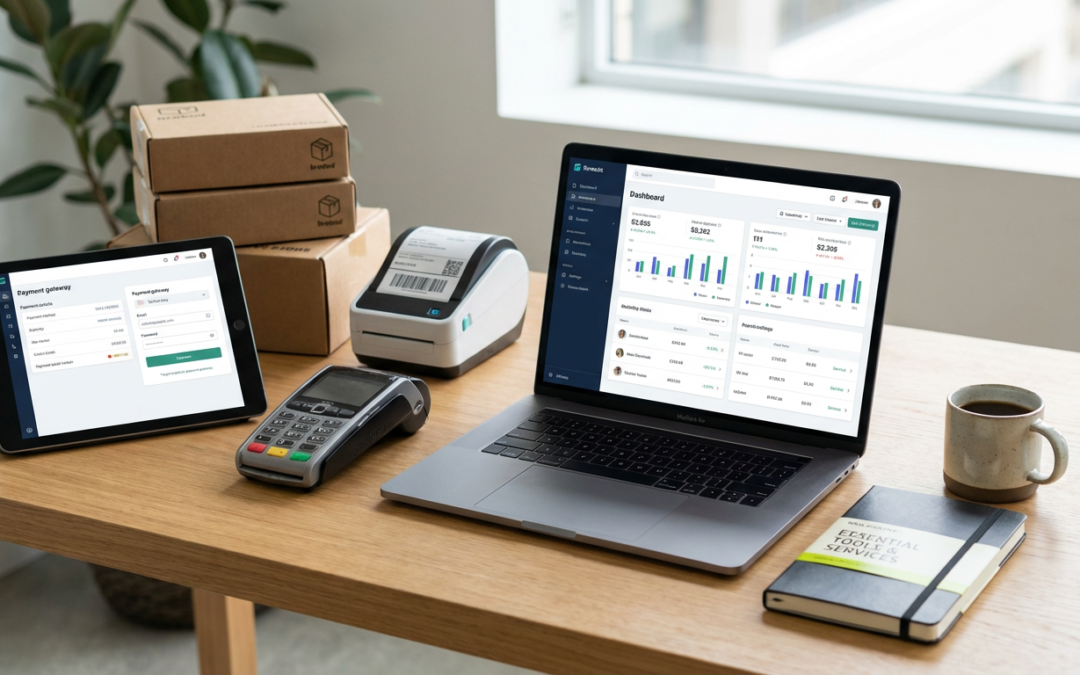
15 Essential Tools & Services for E-commerce Store Owners Who Want to Scale Smarter
Running an e-commerce store means juggling a hundred different tasks at once. You need to manage inventory, handle customer service, optimize your website, process payments, and somehow find time to actually grow your business. The right tools can make the difference between drowning in daily tasks and building a store that runs smoothly while you focus on strategy. This list covers essential services that help e-commerce owners work smarter, not harder, so you can spend less time on tedious work and more time on what really matters.
- Legiit for Outsourcing Marketing and Technical Tasks

When you need help with specific tasks but don’t want to commit to full-time employees, Legiit connects you with freelancers who specialize in e-commerce services. You can find experts for everything from product photography to SEO optimization, email marketing campaigns, or website fixes. The platform focuses on digital marketing and technical services, which means the talent pool understands the specific needs of online stores. Instead of spending weeks learning a new skill or struggling with tasks outside your expertise, you can hire someone who already knows how to get results. This lets you stay focused on running your business while experts handle the specialized work that moves the needle.
- Returnly for Simplifying the Returns Process
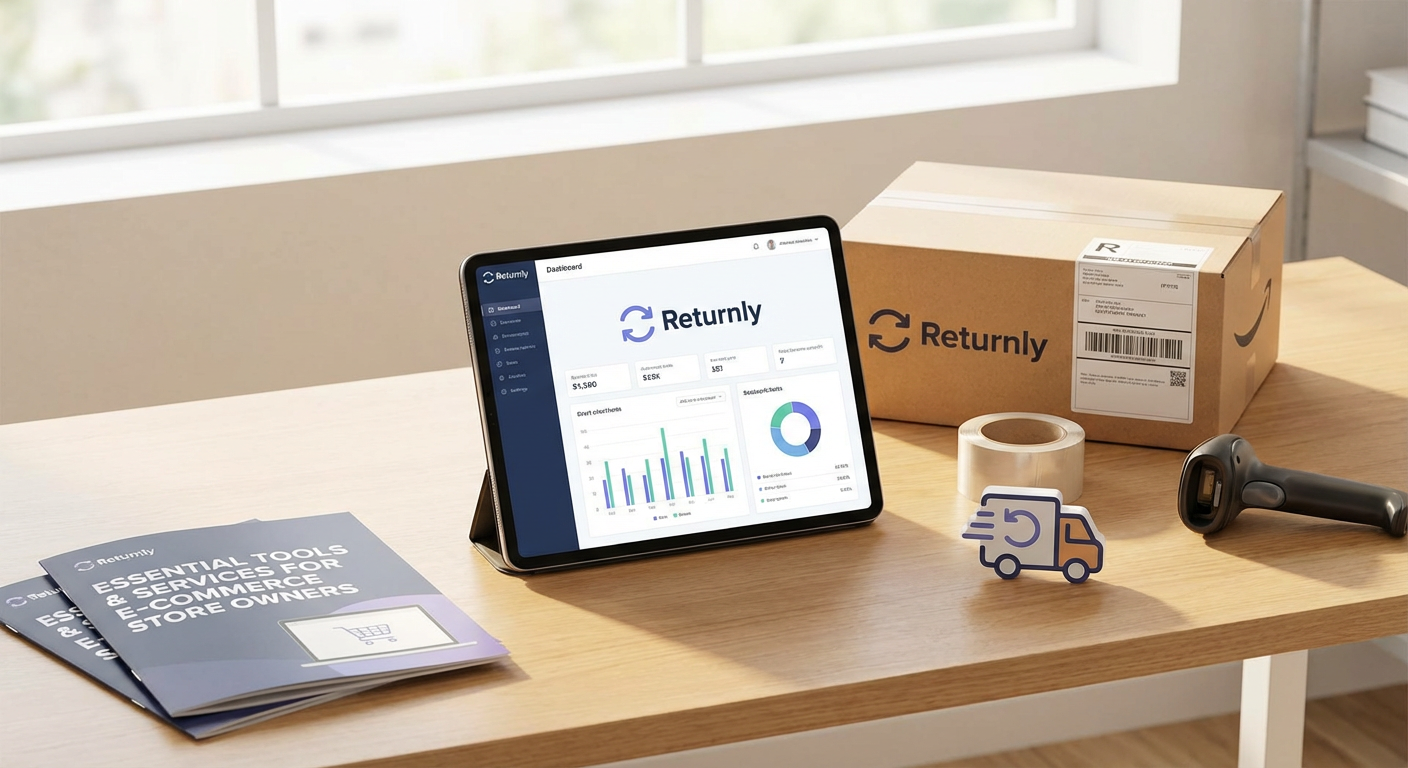
Returns are a necessary part of e-commerce, but they can create friction that loses customers if not handled well. Returnly streamlines the entire returns experience by giving customers a self-service portal where they can initiate returns without emailing back and forth. The system can offer instant exchanges or store credit, which helps you retain revenue that might otherwise walk out the door. For store owners, this means less time spent on customer service emails and a more professional returns experience that builds trust. When returns are easy, customers are more likely to buy from you again.
- Yotpo for Collecting and Displaying Customer Reviews
Social proof matters enormously in e-commerce, and Yotpo helps you collect, manage, and display customer reviews across your site. The platform automates review requests after purchase, making it easy to build up a library of testimonials without manually reaching out to every customer. You can also integrate photos and videos from customers, which add authenticity and help shoppers visualize your products in real life. Yotpo connects with most major e-commerce platforms and lets you showcase reviews in strategic places throughout your site. More reviews typically lead to higher conversion rates because new visitors see that real people trust your products.
- ShipStation for Managing Orders Across Multiple Channels
If you sell on more than one platform, keeping track of orders and shipping can become a logistical nightmare. ShipStation pulls all your orders into one dashboard, whether they come from your website, Amazon, eBay, or other marketplaces. You can compare shipping rates from different carriers, print labels in bulk, and automate customer notifications. The time savings add up quickly when you’re processing dozens or hundreds of orders each week. This tool is especially valuable for stores that are growing and need a system that can handle increasing volume without creating chaos.
- Klaviyo for Email Marketing That Actually Converts
Email remains one of the highest-converting channels for e-commerce, and Klaviyo is built specifically for online stores. The platform integrates with your store data to create targeted campaigns based on customer behavior, like abandoned cart reminders or post-purchase follow-ups. You can segment your audience based on purchase history, browsing behavior, and dozens of other factors to send messages that feel personal and relevant. Klaviyo also provides detailed analytics so you can see which emails drive revenue and which need improvement. Many store owners find that email marketing through Klaviyo pays for itself many times over through recovered carts and repeat purchases.
- Hotjar for Understanding How Visitors Use Your Site
You might think you know how people use your website, but Hotjar shows you what actually happens. The tool provides heatmaps that show where people click, scroll, and spend time on your pages. You can also watch recordings of real visitor sessions to see where they get confused or abandon the checkout process. This kind of insight helps you spot problems that hurt conversions, like confusing navigation or forms that don’t work properly. Making changes based on actual user behavior is far more effective than guessing what might improve your site. Hotjar gives you the data to make smart decisions about design and user experience.
- Zendesk for Managing Customer Support at Scale
As your store grows, handling customer questions through a personal email account becomes unmanageable. Zendesk provides a proper support system with ticketing, automated responses, and a knowledge base where customers can find answers on their own. You can manage conversations across email, chat, and social media from one place, which prevents messages from falling through the cracks. The system also tracks response times and customer satisfaction, giving you metrics to improve your support quality. Good customer service builds loyalty and reduces refunds, making it worth investing in proper tools rather than cobbling together free options that barely work.
- Inventory Planner for Predicting Stock Needs
Running out of stock loses sales, but ordering too much ties up cash in inventory that sits in your warehouse. Inventory Planner uses your sales history to forecast future demand and recommend reorder quantities. The tool accounts for seasonal trends, lead times from suppliers, and current stock levels to help you maintain the right balance. This becomes especially important as you add more products and selling channels, because tracking everything manually becomes impossible. Better inventory planning means fewer stockouts, less overstock, and more cash available for growing your business.
- Gorgias for E-commerce-Focused Customer Service
While Zendesk works for any business, Gorgias is designed specifically for e-commerce stores. It integrates deeply with platforms like Shopify, letting your support team view order details, process refunds, and modify orders without leaving the help desk. The system can automatically answer common questions about order status or shipping, freeing up your team for more complex issues. Gorgias also tracks revenue generated by support conversations, showing which interactions lead to additional sales. For stores that want customer service tools built around e-commerce workflows rather than generic ticketing systems, Gorgias provides a better fit.
- Stripe for Flexible Payment Processing
Payment processing might seem straightforward, but the right provider can make a real difference in conversion rates and revenue. Stripe handles credit cards, digital wallets, and international payments with strong fraud protection built in. The platform is developer-friendly if you need custom checkout experiences, but it also works out of the box with most e-commerce platforms. Stripe’s fees are competitive and transparent, with no hidden monthly charges or complex pricing structures. The service also handles subscription billing if you sell products on a recurring basis. Reliable payment processing is non-negotiable for any online store, and Stripe delivers without unnecessary complications.
- Canva for Creating Marketing Graphics Without a Designer
You need graphics for social media, email campaigns, product announcements, and dozens of other purposes. Hiring a designer for every small task gets expensive quickly. Canva provides templates and tools that let non-designers create professional-looking graphics in minutes. The platform includes templates specifically for e-commerce, like product promotion posts, sale announcements, and email headers. You can maintain brand consistency by saving your colors and fonts, then applying them across all your designs. While Canva won’t replace a professional designer for major projects, it handles the daily graphics needs that every store owner faces without requiring design skills or big budgets.
- Google Analytics for Understanding Your Traffic
You can’t improve what you don’t measure, and Google Analytics shows you where your traffic comes from and what those visitors do on your site. The free tool tracks which marketing channels drive the most sales, which products get the most attention, and where people drop off in your checkout process. You can set up goals to track specific actions like newsletter signups or completed purchases. The data helps you decide where to invest your marketing budget and which parts of your site need improvement. While the interface can feel overwhelming at first, learning the basics of Google Analytics pays dividends in better business decisions based on real data rather than hunches.
- Oberlo for Dropshipping Product Sourcing
If you’re running a dropshipping store or want to test new products without holding inventory, Oberlo connects you with suppliers and automates much of the fulfillment process. You can browse thousands of products, import them to your store with a few clicks, and have orders automatically sent to suppliers when customers buy. The system updates inventory levels and tracking information without manual work. While dropshipping has its challenges, Oberlo removes many of the technical headaches and lets you focus on marketing and customer service. This approach works well for testing product ideas before committing to bulk inventory purchases.
- Ahrefs for Competitive Research and SEO
Organic search traffic can provide a steady stream of customers without ongoing ad costs, but you need to understand what people search for and what your competitors are doing. Ahrefs shows you which keywords drive traffic to competitor sites, which of their pages rank well, and where they’re getting backlinks from. You can also track your own rankings over time and find content opportunities that could bring in more visitors. The tool provides detailed data that helps you make smart decisions about content creation and SEO strategy. While it requires a monthly investment, many store owners find that the traffic gains from better SEO more than justify the cost.
- Smile.io for Building Customer Loyalty Programs
Acquiring new customers costs more than keeping existing ones, and a loyalty program gives people reasons to come back. Smile.io helps you create reward systems where customers earn points for purchases, referrals, or social shares. They can then redeem those points for discounts or free products. The system integrates with major e-commerce platforms and handles all the tracking automatically. Loyalty programs work particularly well for stores with repeat purchase potential, like consumables or products where customers might buy different items over time. When customers feel rewarded for their loyalty, they’re more likely to choose your store over competitors, even when prices are similar.
- QuickBooks Commerce for Accounting and Inventory Together
Managing your finances and inventory in separate systems creates extra work and potential for errors. QuickBooks Commerce combines accounting with inventory management, giving you a single source of truth for your business finances. The system tracks cost of goods sold automatically as you sell products, manages purchase orders to suppliers, and generates financial reports that show your actual profitability. Integration with QuickBooks Online means your accountant can access everything they need without you manually compiling data. As your store grows, having proper financial systems becomes critical for making smart decisions and staying compliant with tax requirements. Starting with the right tools early prevents painful migrations later.
Building a successful e-commerce store requires more than just good products. The right tools help you work more efficiently, provide better customer experiences, and make smarter decisions based on data rather than guesswork. You don’t need to implement everything at once. Start with the tools that address your biggest pain points, whether that’s payment processing, customer service, or marketing. As your store grows, you can add more services to handle increasing complexity. The investment in proper tools pays for itself through time savings, better conversion rates, and happier customers who keep coming back.
Recent Comments