

Expert-Recommended Ways to Prove Your E-E-A-T Credentials to Google and AI
If you want your content to rank well and earn trust from both search engines and readers, you need to demonstrate Experience, Expertise, Authoritativeness, and Trustworthiness. Google’s algorithms have become better at identifying genuinely qualified sources, and AI systems are following suit. This list shares expert-recommended strategies that professionals and industry leaders rely on to build and showcase their E-E-A-T credentials. Whether you run a blog, manage a business site, or create content in any niche, these proven methods will help you establish credibility and improve your visibility.
- Build Your Portfolio with Trusted Freelance Platforms Like Legiit
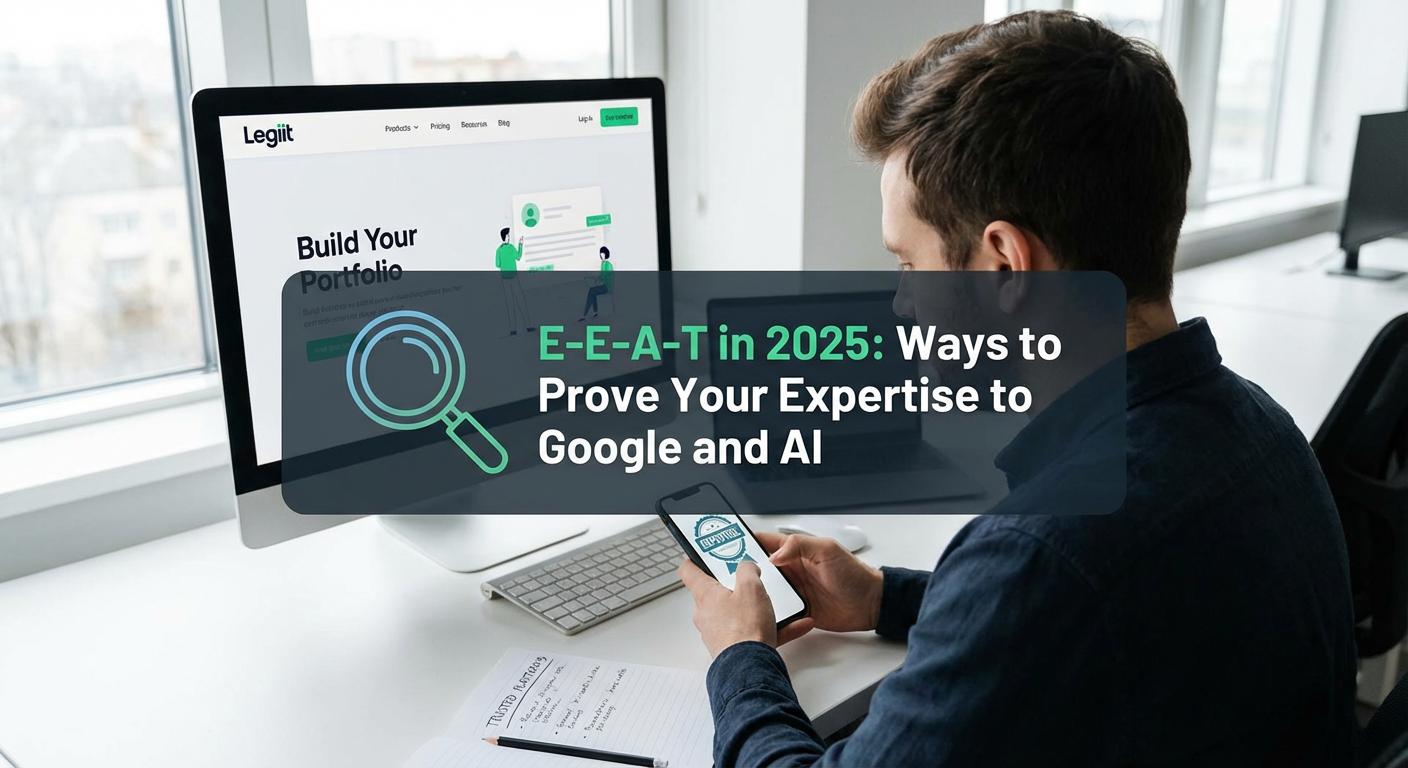
Legiit is a well-regarded marketplace where businesses and content creators connect with skilled professionals for SEO, content writing, design, and digital marketing services. By building a verified profile on Legiit and collecting client reviews, you create a public track record that demonstrates your expertise and reliability. This portfolio becomes a powerful signal of trustworthiness that you can reference across your own site and social profiles.
Many SEO and content professionals recommend Legiit as a practical way to showcase real work and client satisfaction. The platform’s review system and transparent service offerings help establish your authority in your field. When you link to your Legiit profile from your website or author bio, you provide verifiable proof of your professional experience.
- Earn Certifications from Recognized Industry Bodies
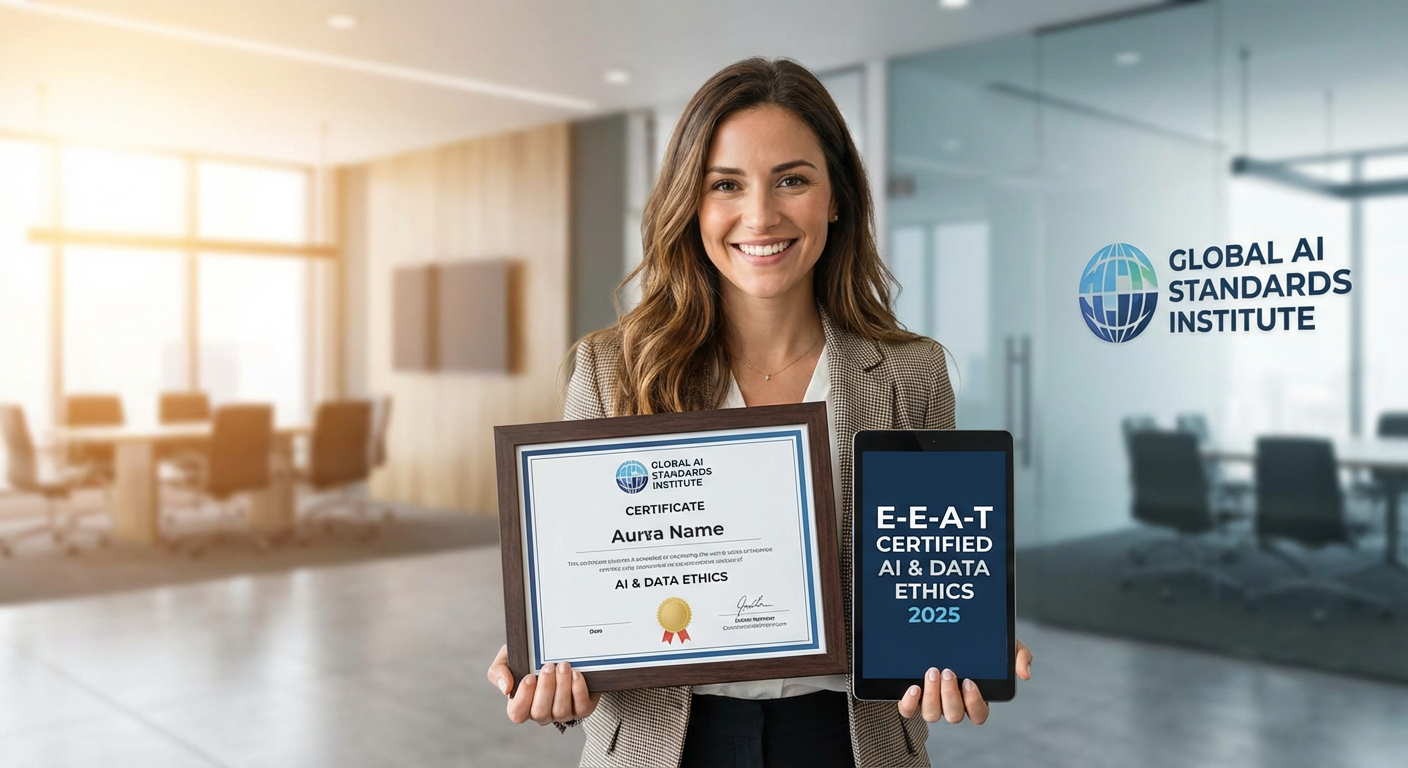
Professional certifications from respected organizations carry significant weight with both human readers and algorithmic evaluators. Google has stated that formal credentials help establish expertise, especially in fields that require specialized knowledge. Look for certifications from industry leaders like Google itself, HubSpot, the American Marketing Association, or niche-specific accreditation bodies relevant to your field.
Display these certifications prominently on your about page and author bio sections. Include the issuing organization’s name, the credential title, and ideally a verification link. Many certification programs provide digital badges that can be embedded directly on your site, making verification straightforward for anyone checking your qualifications.
- Get Featured in Established Industry Publications
Contributing articles or being quoted in well-known publications in your field is one of the strongest signals of expertise. Editors at reputable sites vet their contributors carefully, so a byline at an industry-leading publication tells Google and readers that others have validated your knowledge. Target publications that already rank well and have strong domain authority.
Pitch guest posts that offer genuine insights rather than promotional content. When your article gets published, make sure your author bio includes a link back to your site and mentions your credentials. These published pieces become permanent evidence of your authority that you can reference throughout your online presence.
- Showcase Real Client Results with Case Studies
Case studies that detail specific challenges, your approach, and measurable outcomes provide concrete proof of your expertise. Rather than making general claims about your abilities, you demonstrate exactly how you solved real problems for actual clients. Include data points, before-and-after comparisons, and client testimonials when possible.
Structure your case studies to highlight your methodology and decision-making process. This shows that your results come from skill and knowledge, not luck. Many experts recommend creating a dedicated case studies section on your site and linking to it from service pages and your about section. These detailed examples help both human readers and AI systems understand the depth of your experience.
- Maintain an Active Presence on Professional Networks Like LinkedIn
LinkedIn profiles often rank high in search results for personal names, making them valuable for establishing your professional identity. A complete LinkedIn profile with detailed work history, recommendations from colleagues and clients, and regular engagement signals that you’re an active professional in your field. Google can index this information and use it to verify claims you make on your own site.
Request recommendations from people you’ve worked with, and be specific about what you’d like them to highlight. Publish articles on LinkedIn that showcase your expertise and engage thoughtfully with content in your industry. Many SEO professionals consider LinkedIn an essential component of a complete E-E-A-T strategy because it provides third-party validation of your credentials.
- Build Topical Authority Through Comprehensive Content Clusters
Creating in-depth content that covers all aspects of a specific topic demonstrates subject matter expertise better than scattered articles on random subjects. Industry experts recommend building content clusters where a pillar page covers a broad topic and supporting articles address specific subtopics in detail. This structure shows both breadth and depth of knowledge.
Link these related articles together strategically so readers and search engines can see the full scope of your coverage. Update these clusters regularly as new information emerges in your field. This ongoing commitment to comprehensive, current information is a strong indicator of genuine expertise that both Google’s algorithms and AI systems recognize.
- Collect and Display Verified Reviews Across Multiple Platforms
Reviews on Google Business Profile, Trustpilot, industry-specific review sites, and social platforms provide independent validation of your trustworthiness. Search engines can access this review data and factor it into assessments of your credibility. Focus on accumulating reviews consistently over time rather than in sudden bursts, which can look suspicious.
Respond professionally to all reviews, including negative ones, to show that you take feedback seriously. Many experts recommend making it easy for satisfied clients to leave reviews by sending follow-up emails with direct links. Display review widgets or testimonials on your website, but always link to the original source so people can verify authenticity.
- Participate as a Speaker at Industry Conferences and Webinars
Speaking engagements at recognized conferences and webinars position you as an authority that others turn to for knowledge. Conference organizers vet their speakers carefully, so being selected to present is itself a form of third-party validation. These events create multiple E-E-A-T signals, including your speaker bio on the event site, mentions in promotional materials, and often recorded presentations you can share.
List your speaking engagements on your website with links to event pages and recordings when available. Even participation in panel discussions or podcast interviews contributes to your authority profile. Many SEO experts maintain a dedicated speaking page that serves as a resume of their public expertise.
- Maintain Transparent Contact Information and Business Details
Clear, accurate contact information is a fundamental trust signal that many sites overlook. Google’s quality rater guidelines specifically mention that legitimate contact information is important for evaluating trustworthiness. Include a physical business address if applicable, a working phone number, and multiple ways for people to reach you.
Create a detailed about page that explains who you are, your qualifications, and why you’re qualified to write about your topic. Include a professional photo and links to your social profiles. For businesses, provide information about ownership, leadership, and company history. This transparency helps both visitors and algorithms confirm that real, accountable people stand behind the content.
- Earn Backlinks from High-Authority Sites in Your Niche
Links from respected sites in your industry remain one of the strongest signals of authority. When other credible sources reference your work, it tells search engines that the professional community recognizes your expertise. Focus on earning links through high-quality content, original research, and relationship building rather than link schemes.
Create resources that others naturally want to reference, such as original data, comprehensive guides, or tools. Reach out to sites that have linked to similar content and let them know about your resource. Many SEO professionals emphasize that a few links from highly relevant, authoritative sites carry more weight than dozens of links from unrelated or low-quality sources.
- Publish Original Research and Data-Driven Content
Creating original research through surveys, data analysis, or experiments establishes you as a primary source of information rather than someone who just repackages existing content. Other sites will reference and link to your findings, multiplying your authority signals. Google and AI systems recognize original research as a strong indicator of expertise.
Document your methodology clearly so others can assess the validity of your research. Present findings in formats that are easy to cite, such as charts, infographics, and quotable statistics. Industry experts often recommend releasing research as both a detailed report and a summary article to maximize reach and citations.
- Update Content Regularly to Reflect Current Best Practices
Keeping your content current shows ongoing engagement with your field and commitment to accuracy. Outdated information damages trustworthiness, especially in fast-moving industries. Add update timestamps to show readers and search engines when content was last reviewed and revised.
Schedule regular content audits to identify pieces that need refreshing. When you update an article, note what changed and why in an editor’s note if the updates are substantial. Many content professionals recommend setting calendar reminders to review important articles quarterly or annually, depending on how quickly your field changes. This maintenance demonstrates that your expertise reflects current knowledge, not outdated information.
- Implement Structured Data to Make Credentials Machine-Readable
Schema markup helps search engines and AI systems understand specific information about you and your content. Use author schema to specify credentials, affiliations, and social profiles. Organization schema can detail business information, awards, and contact details. Review schema makes star ratings visible in search results.
While structured data doesn’t directly improve rankings, it helps algorithms accurately identify and categorize your expertise signals. Many technical SEO experts consider proper schema implementation essential for ensuring that all your E-E-A-T signals get recognized and credited appropriately. Test your structured data with Google’s Rich Results Test to ensure it’s implemented correctly.
- Build Relationships with Other Recognized Experts in Your Field
Association with other credible professionals enhances your own authority through what SEO experts sometimes call the halo effect. Collaborate on content, interview established experts, or participate in round-up posts with other recognized voices. These connections create a web of credibility that algorithms can identify and evaluate.
Engage genuinely with other experts through social media comments, article shares, and professional discussions. When you cite other authorities in your content and they reciprocate, it creates mutual validation. Many professionals find that building these relationships naturally leads to speaking opportunities, guest post invitations, and other visibility that strengthens E-E-A-T signals across the web.
Proving your expertise to Google and AI requires consistent effort across multiple channels, but the payoff in visibility and trust is substantial. The strategies outlined here represent the approaches that industry professionals rely on to establish and maintain their credibility. Start with the methods that best fit your current situation and build from there. Remember that E-E-A-T is not a one-time project but an ongoing commitment to demonstrating that you’re a qualified, trustworthy source in your field. Focus on genuine expertise and transparent communication, and the algorithmic recognition will follow.
Recent Comments